


|
Getting your Trinity Audio player ready...
|

Poverty, Human Dignity, and Our Moral Responsibility
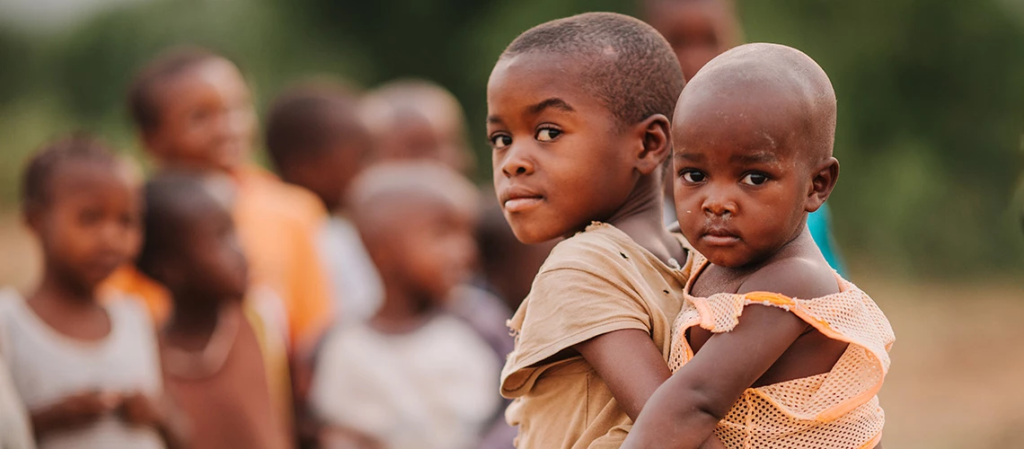
The years I spent working with the poor profoundly shaped my understanding of poverty. I have witnessed individuals and entire families trapped in extreme, grinding poverty, with nothing to cook and nothing to eat long after mealtime has passed. The desperation of the poor is both unimaginable and immeasurable. Poverty consumes not only the body but also the soul, eroding human dignity and diminishing one’s sense of worth.
Many of us take breakfast, lunch, and supper for granted, while others have no food at all. They go to bed hungry and wake up hungry, together with their children. The suffering of those living in poverty is difficult to comprehend unless one has witnessed it firsthand.
To enrich oneself at the expense of the poor is a grave moral wrong. Wives, mothers, and other family members of those who serve in public office should reject money obtained through corruption and the theft of public resources. Funds stolen from the public purse are resources denied to the poor, the sick, and the vulnerable. They deprive communities of schools, hospitals, clean water, roads, and opportunities for a better future.
Rather than curse those who steal from the poor, let us pray that they experience a change of heart and embrace integrity, justice, and compassion.
Poverty is the condition of lacking the financial resources and basic necessities required for a decent standard of living. While being poor describes an individual’s economic situation, poverty is often a systemic and prolonged condition in which people are unable to meet their most fundamental needs, including food, shelter, healthcare, education, and clean water.
Many families in Wajir County suffer from abject poverty, which the World Bank describes as an extreme deprivation of basic human needs. It is commonly measured by living on less than US$2.15 per person per day and is often accompanied by inadequate access to safe drinking water, education, healthcare, and sanitation. Beyond absolute poverty, there is also relative poverty, which refers to people whose standard of living falls significantly below that of the society in which they live.
In Wajir County, many residents experience both absolute and relative poverty. They struggle to meet their basic survival needs while also being excluded from the living standards enjoyed by the wider community. Poverty is therefore not simply a lack of money; it is a multidimensional condition that undermines every aspect of human well-being.
Poverty manifests itself in several ways:
- Lack of resources: Insufficient income to afford food, clothing, shelter, and other essential goods and services.
- Social and physical deprivation: Limited access to quality education, healthcare, clean water, sanitation, and other essential public services.
- Psychological distress: Persistent financial insecurity often leads to chronic stress, trauma, anxiety, hopelessness, and a profound sense of powerlessness.
According to the Kenya National Bureau of Statistics (KNBS), the overall poverty rate in Wajir County is approximately 64.3 percent, making it one of the poorest counties in Kenya. Other government assessments, including reports from the Controller of Budget, estimate that extreme poverty in the county ranges between 66 percent and more than 70 percent. These statistics represent real people—families, children, and elderly citizens whose daily lives are marked by hunger, hardship, and uncertainty.
Development is often measured by visible infrastructure such as roads, stadiums, hospitals, clinics, markets, and public buildings. Such investments are important because they improve mobility, trade, access to services, and economic growth. However, development cannot be considered complete if people’s economic well-being does not improve. If families continue to go hungry, if their pockets remain empty, and if they cannot afford the necessities of life, then physical infrastructure alone cannot lift them out of poverty. A magnificent stadium may contribute to the economy of a town, but a starving family cannot eat a stadium.
True development must place people at its centre. It must create livelihoods, generate income, reduce inequality, and ensure that every family has access to food, healthcare, education, and opportunities to live with dignity.
For those who profess the Islamic faith, caring for the vulnerable and acting as responsible stewards of society is a religious obligation. The Prophet Muhammad (peace be upon him) taught:
“The world is green and pleasant, and Allah has appointed you as His stewards over it, and He sees how you acquit yourselves.”
This teaching reminds us that wealth, public resources, and positions of authority are trusts from God. They must be managed honestly, fairly, and for the benefit of all, especially the poor and the vulnerable. A just society is one in which development is measured not only by its buildings and infrastructure but also by the well-being, dignity, and hope of its people.
County money is public money – it belongs to the poor. CDF is public money, not MPs money: No one should rob the poor, eat from the poor.

