


|
Getting your Trinity Audio player ready...
|
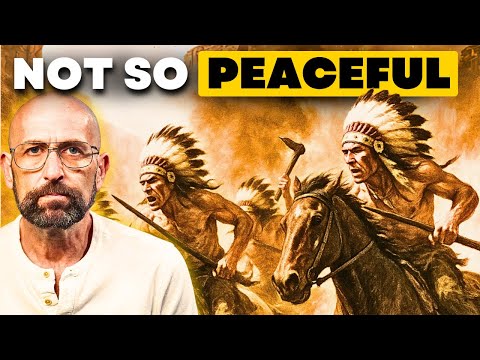
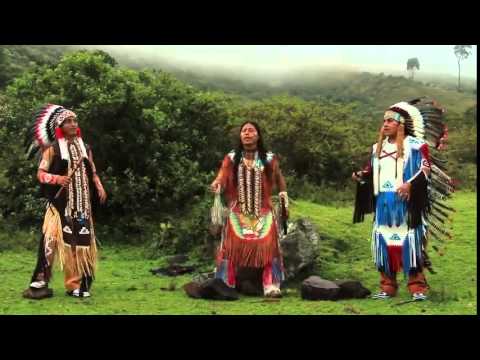
Native Americans are the Indigenous peoples of the Americas, who inhabited the land for thousands of years before European colonization. Today, there are 574 federally recognized Tribal Nations in the U.S. (including American Indians and Alaska Natives), each with their own unique cultures, languages, and sovereign governments
Here is a breakdown of who Native Americans are, their history, and their present-day status:
Historical Background
Long before 1492, Indigenous peoples built elaborate civilizations, trade networks, and social systems across North and South America. European colonization resulted in devastating losses of life, land, and culture through disease, warfare, and forced assimilation policies. [1, 2, 3]
Tribal Citizenship
Being Native American is a political and legal classification rather than solely a matter of race or DNA. Tribal citizenship and belonging are determined by the individual nations themselves, usually based on lineal descent or “blood quantum” (a measure of ancestry from a specific tribe) as outlined by tribal and federal laws. [1, 2, 3, 4]
Terminology Preference
While general terms like “American Indian,” “Native American,” or “Indigenous” are widely used, many individuals prefer to be identified by their specific Tribal Nation (e.g., Navajo, Cherokee, or Lakota). [1, 2, 3]
Native Americans Today
- Population: There are millions of Native Americans in the United States, with significant populations in states like California, Arizona, Oklahoma, and New Mexico. [1, 2, 3, 4]
- Residency: While reservations and trust lands remain vital cultural centers, over 70% of Native Americans now live in urban and suburban areas. [1, 2]
- Sovereignty: Federally recognized tribes are sovereign entities, meaning they retain the right to govern their internal affairs, establish their own justice systems, and manage lands, healthcare, and education

